
Typography:


Textual Analysis : Elle - fashion

Wednesday, 30 March 2022

Hearst - Magazine examples
Examples of Hearst magazine covers
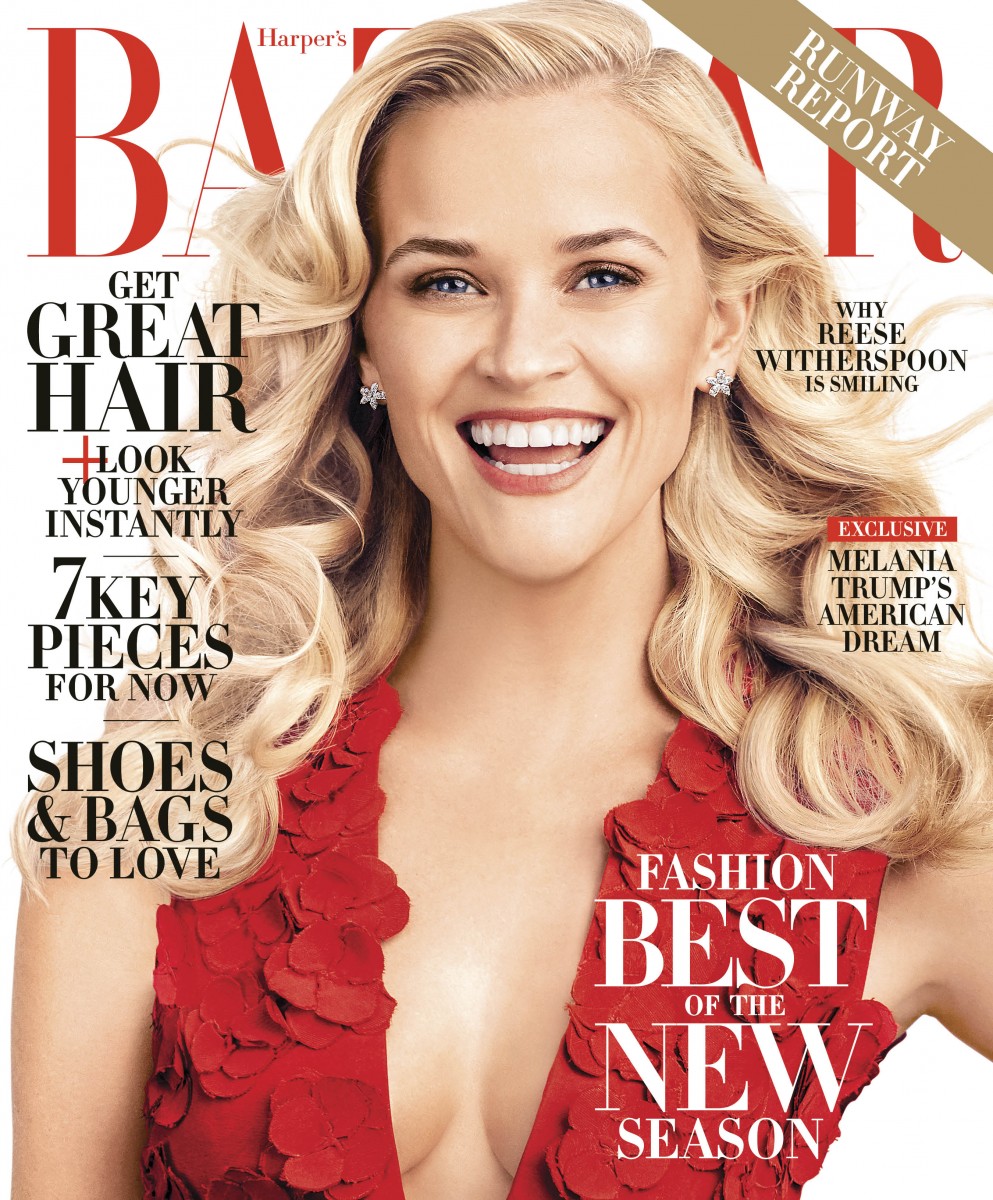
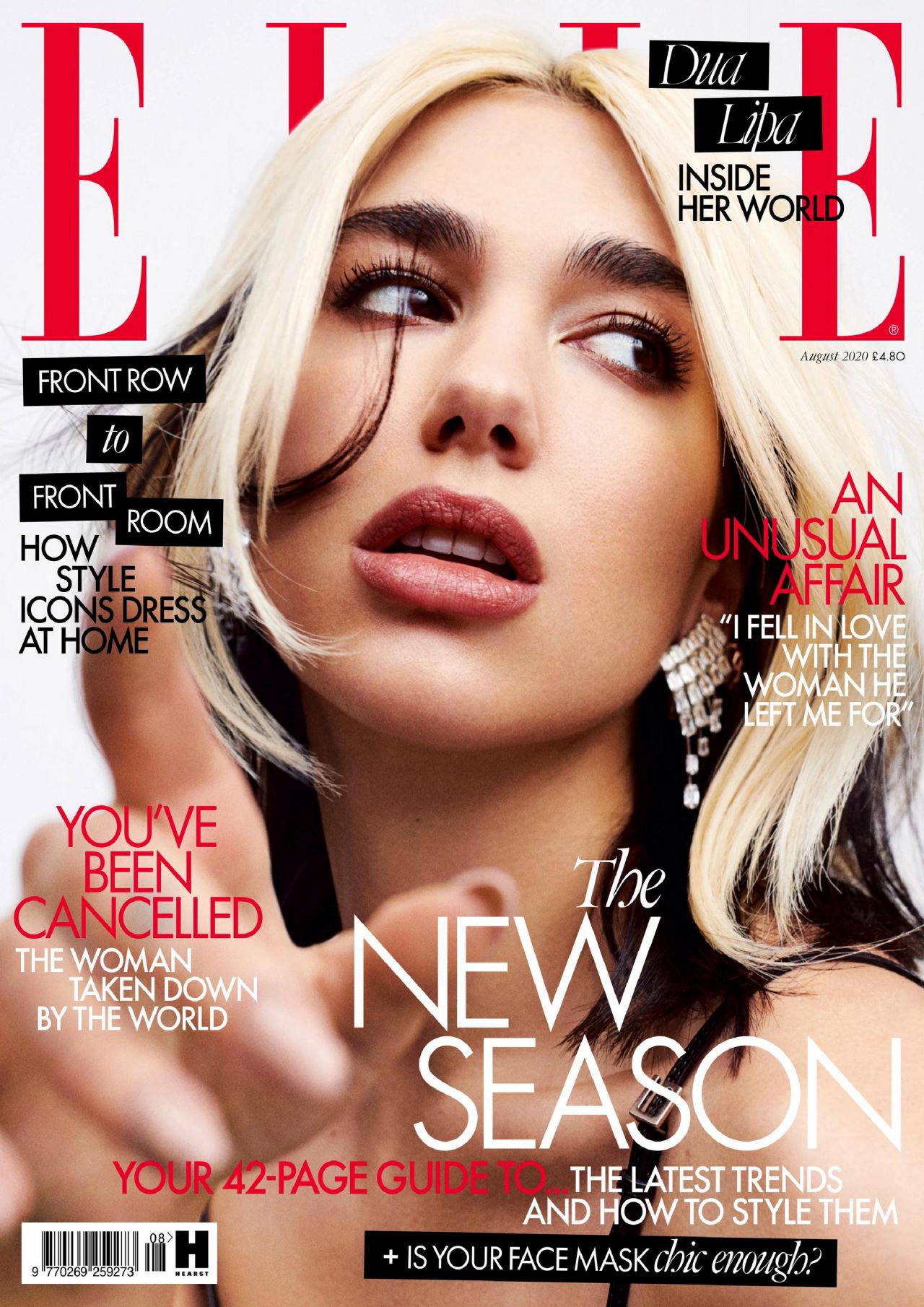


- Bold Masthead at the top of the cover
- Use of Sans serif fonts for cover lines and mastheads#
- Masthead behind the cover star's head, that's how big these brands are that their noticeable enough to slightly cover
- Cover lines with celebrity drama/confessions
- Theme of consumerism, cover lines trying to sell a product - "shoes and bags you'll love" "is your face mask chic enough?"
- Cover lines positioned around towards the edges of the cover star
- Content focus on fashion, beauty and health/fitness
Magazines - Industrial context

- Cosmopolitan
- Digital Spy.
- Good Housekeeping
- Elle
- Harper's Bazaar
- Red
- Delish
- Netdoctor
- Women's Health
- Men's Health
- Runner's
- Esquire
- Contry Living
- House Beautiful
- +7 more magazines
On March 4, a 23-year-old William Randolph Hearst places his name on the masthead of the San Francisco Examiner as "Proprietor" for the first time, marking the beginning of Hearst Corporation.
1896
With William Randolph Hearst’s encouragement, Richard Outcault develops “The Yellow Kid,” transforming a simple gag panel into the first true example of the comic strip. “The Yellow Kid” leads the charge in Hearst’s trailblazing American Humorist comic supplement.
1897
Hearst introduces “The Katzenjammer Kids” in the New York Journal. King Features still distributes the strip, making it the longest-running newspaper comic in history.
1900
The Good Housekeeping Institute, a precursor to the FDA, is founded 15 years after its namesake magazine to improve the lives of consumers and their families through education and product evaluation.
1912
Hearst’s New York Journal introduces the first full page of weekday daily comics.
1913
The first Hearst newsreel is shown, leading to the creation of Hearst Metrotone News.
1915
Hearst’s International Film Service is formed. Among the pioneer animation studios, the company made movie stars out of characters from Hearst newspaper comic strips, including “Bringing Up Father,” “Happy Hooligan,” “Maud the Mule,” “Krazy Kat” and more.
1930
King Features launches “Blondie,” which is one of the most widely syndicated comic strips in the world today.
1933
Harper’s BAZAAR is one of the first fashion magazines to do a shoot on location and show a model in motion.
1940
Harper’s BAZAAR’s Editor-in-Chief Carmel Snow famously features a photograph on the cover—until then, covers featured mainly art and illustrations.
1952
WBAL-TV Baltimore is one of the first stations to broadcast in color.
1955
Hearst Newspapers arranges the first cultural exchange between the United States and Russia, including interviews with top Soviet leaders that led to a Pulitzer Prize.
1965
In February, Harper’s BAZAAR becomes the first women’s fashion magazine to feature a man—actor Steve McQueen—on the cover.
1978
Hearst launches Country Living as an annual. It becomes a monthly in 1982.
1979
Hearst acquires the Edwardsville Intelligencer, Huron Daily Tribune, Midland Daily News, Midland Reporter-Telegram and Plainview Daily Herald.
1980
Hearst acquires First Databank.
1981
Hearst is a founding partner, with ABC, in the predecessors of cable networks A&E and Lifetime.
1986
Hearst acquires Boston’s WCVB-TV.
Esquire becomes a Hearst publication.
1987
Houston Chronicle is purchased by Hearst.
1990
Hearst acquires a 20 percent interest in ESPN.
1993
Hearst adds the San Antonio Express-News to its newspapers group.
1994
Hearst and France’s Marie Claire Album introduce the U.S. edition of Marie Claire.
2000
O, The Oprah Magazine, a venture with Oprah Winfrey’s Harpo Entertainment Group, is published. It is regarded as one of the most successful magazine startups in industry history.
Hearst is the first large television station group to commit to a minimum amount of daily candidate discourse-focused coverage of election campaigns. The pledge becomes a cornerstone of the company's "Commitment" effort that continues today.
2001
Hearst is the first company to commit to a major building project in New York City after 9/11: Hearst Tower. The building is architect Lord Norman Foster’s first skyscraper in the U.S.
2002
ESPN reaches agreement for multimedia NBA coverage, becoming the first network to televise all four major professional sports—NFL, NHL, MLB, NBA.
2004
Hearst acquires Zynx Health Incorporated, the leading supplier of evidence-based medicine content to more than 500 hospitals across the United States.
2005
Hearst, American Land Conservancy, California Rangeland Trust and the State of California form one of the largest conservation easements in history (82,000 acres) in San Simeon, California.
ESPN is one of the first networks in cable television history to pass the 90 million subscriber mark in the U.S.
2007
Hearst is the first to launch local HD news programming in Sacramento, Boston and Kansas City.
2008
King Features launches Comics Kingdom, a first-of-its-kind digital comics platform.
The October issue of Esquire features a flexible electronic "paper" cover that allows words and images to scroll across it—a first for magazines—in celebration of the magazine’s 75th anniversary.
2009
Seattle Post-Intelligencer is the first major daily newspaper to transition to an all-digital model.
Good Housekeeping launches the Green Good Housekeeping Seal, an environmental extension of the original Seal. At a time when no other company had provided a universal definition of "green,” the Green Good Housekeeping Seal created standards to evaluate products based on their measurable environmental impact.
2010
Hearst is the first magazine publisher to make all of its titles available to read on every major tablet device.
2011
Hearst acquires nearly 100 magazines in 14 countries from Lagardère, making it one of the largest monthly magazine publishers in the world and the largest monthly publisher in the U.S.
The WatchESPN app for iPad, iPhone and iPod launches, allowing mobile access to ESPN, ESPN2, ESPNU and ESPN3.com—the first live streaming cable channels available in the U.S. on mobile devices.
2012
Hearst Tower achieves Platinum LEED certification, the highest possible rating. It also becomes the first commercial building in New York to achieve both LEED Gold for New Construction and LEED Platinum for Existing Buildings.
2014
Hearst announces the formation of Hearst Health, a brand that encompasses the company’s healthcare information businesses and health ventures.
2016
Hearst acquires CAMP Systems International Inc. from private equity firm GTCR. CAMP is a leading global provider of software-as-a-service (SaaS) for business aviation, serving more than 19,000 aircraft, 30,000 engines and 1,300 maintenance facilities globally.
2018
Hearst completes transaction with Rodale, Inc. to acquire the company’s global health and wellness brands. The acquired brands publish 62 print editions and 57 websites in 31 countries.
Hearst takes full ownership of Fitch Ratings Inc., one of the “Big Three” credit rating agencies, after originally acquiring a 20 percent stake in 2006
History of Magazines
History
The first magazine was published in Germany during the 17th century. The success of this publication led to the introduction of magazines across Europe. During the 17th and 18th centuries, publishers founded several different types of periodicals aimed at diverse audiences, including the elite and women.


Who are major players in this industry? Vogue, People Magazine, GQ, Cosmopolitan, Elle, Us weekly, InStyle, National Geographic, Sports Illustrated, TIME, Vanity Fair, Men's Health, Women's Health, Allure, Essence.How do companies finance, make their revenue? Most magazines make most of their profits from advertisement, not from sales. Major magazines like Vogue make a fortune off advertisement. Cost are made up of a space rate as above plus a net production charge from £4,500 per page for a Vogue shoot or £2,000 per page with supplied assets.

-
 Use of UK slang amongst young people intertextual reference to Clueless: Hunger games intertextual reference: link followed when correct o...
 -
 Issue 1: Issue 2: Website link: HOME | Poise Magazine (16-rmun.wixsite.com) LAYOUT: second page from link from camera icon Radio show link ...
